How Often Should I Update My Headshot?
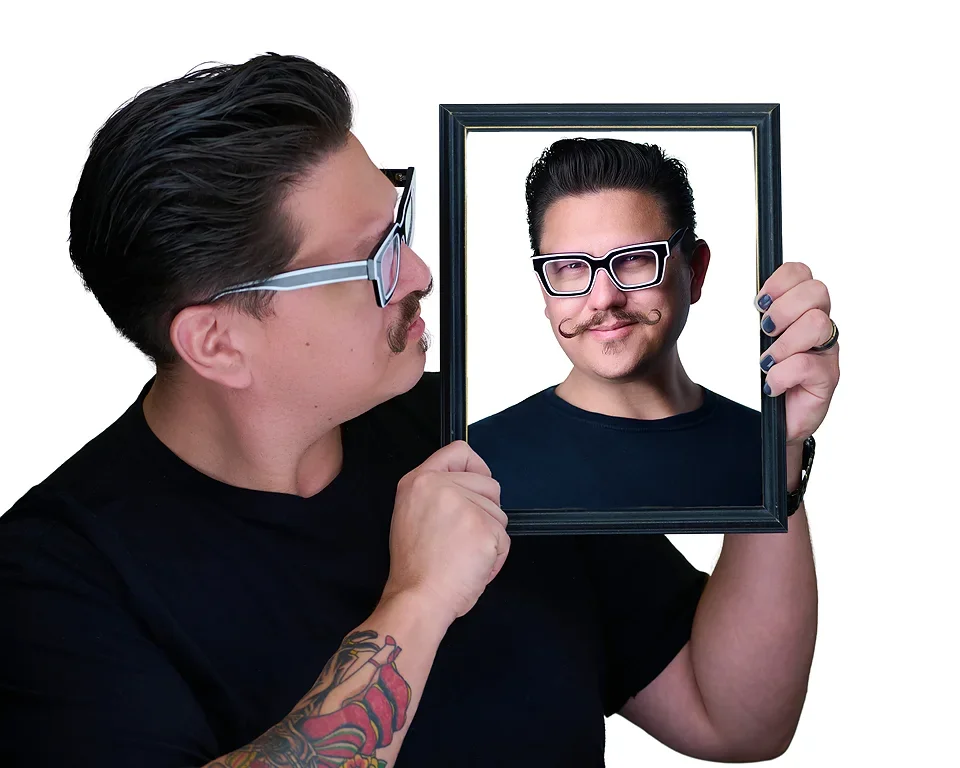
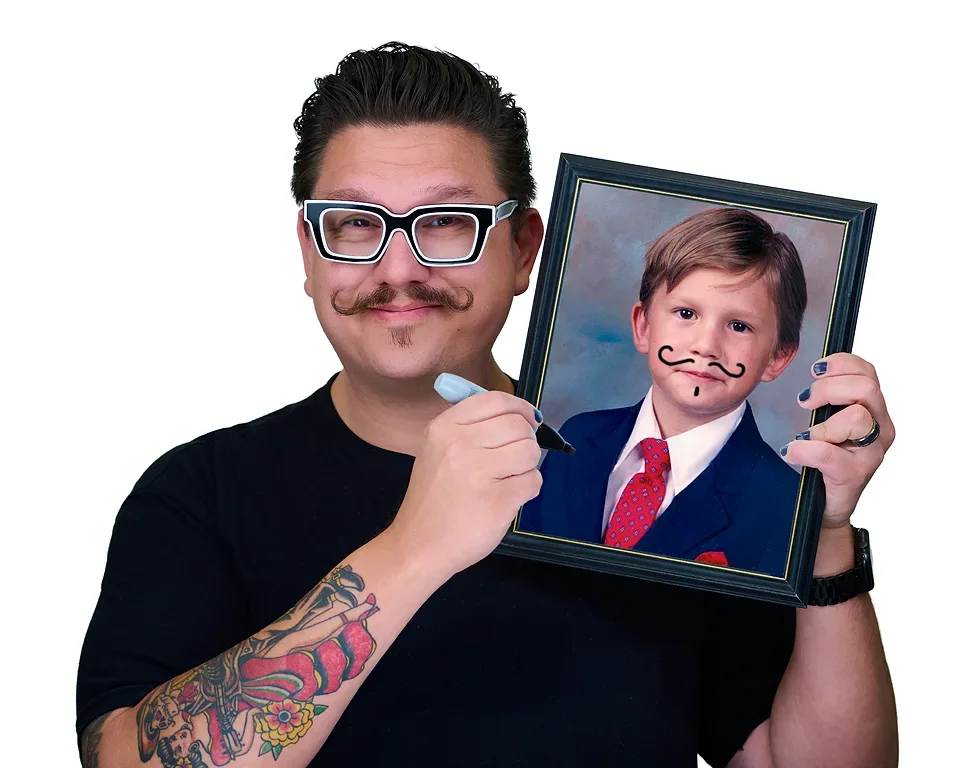
Let's be honest, we've all been catfished at some point. A date who looked nothing like their photos. A product you couldn't wait to get that showed up looking absolutely nothing like the listing (Thanks Temu & Wish). That sinking feeling of "this is not what I signed up for" is universal. So why would you do that to the people trying to work with you? In this post we break down how often you should actually update your headshot, what triggers mean it's time for new photos, and the signs your current photo needs to be retired.
Table Of Contents:
The General Rules
How Often You Should Update by Industry
Life Changes That Mean It's Time for a New One
What Happens When Your Headshot Is Outdated
Signs Your Current Headshot Needs to Go
How to Get More Mileage Out of Your Headshot
Final Thoughts
Frequently Asked Questions
Here's a scenario that happens more often than people want to admit.
Someone finds you online. They check out your LinkedIn, your website, your speaker bio. They see your headshot and form an impression. They show up to meet you in person and either don’t or barely recognize you.
That's not a great way to start any relationship.
An outdated headshot isn't just a cosmetic issue. It's a credibility issue. And in a world where your online presence is often the first impression you make, having a photo that no longer looks like you is actively working against everything else you're doing to build your brand.
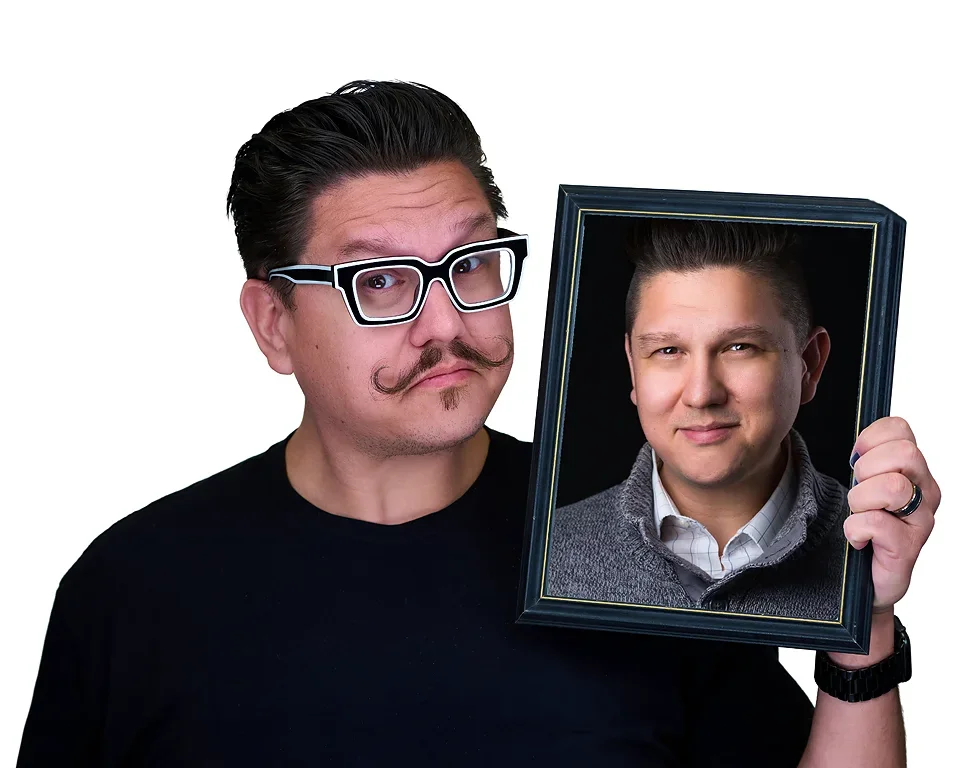
So how often should you update it? The honest answer is: more often than most people do. For example, one of my clients was still using a headshot they loved but was shot 15 years ago!! So let's break it down.
The General Rule:
The standard recommendation in the photography and personal branding world is to update your headshot every one - two years but definitely no more than three years (no matter how good it is or how much you love it). That's a solid baseline and for most professionals it holds up well but.
But here's the thing, the calendar is just one way to measure it. Time passing doesn't automatically mean your headshot is outdated, and sometimes a headshot needs to be updated well before that two year mark.
Think of it less like a scheduled oil change and more like checking in with yourself. Does this photo still represent who you are and where you are in your career right now? If the answer is yes, you're good. If there's any hesitation (and you'll know if there is) it's probably time.
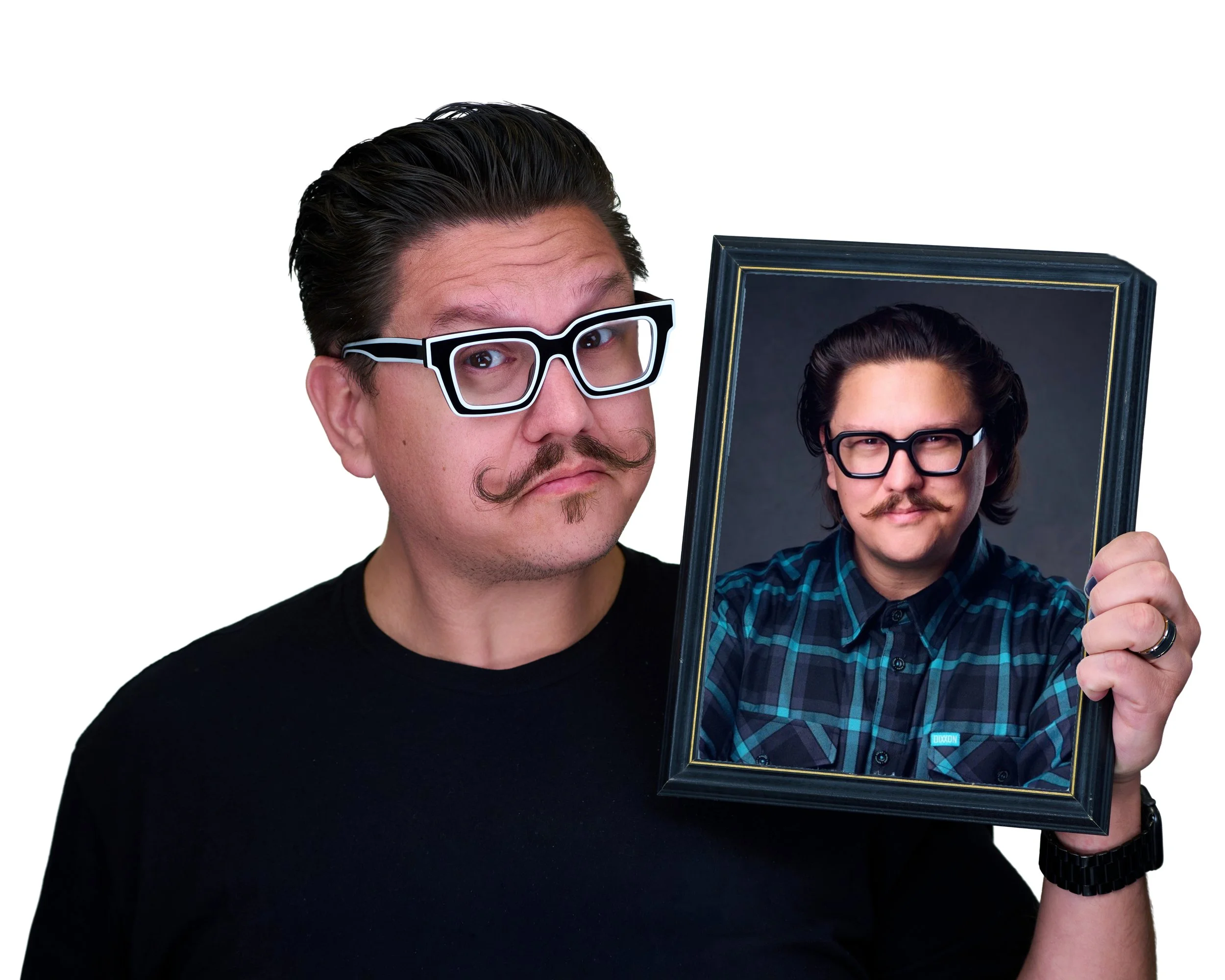
The one to two year rule exists because that's roughly how long it takes for enough to change that your photo starts telling a slightly different story than the one you want to tell. But your life and career don't run on a fixed schedule, and neither should your headshot.
How Often You Should Update by Industry:
Different industries have different standards, different audiences, and different expectations. Here's how to think about it based on who you're trying to reach:
Corporate Executives and Legal Professionals:
This audience places a high premium on consistency and credibility. Your headshot needs to look polished, current, and authoritative. Every one to two years is appropriate here, but any significant change in appearance or role should trigger an update regardless of timing. If you've been promoted, changed firms, or shifted your focus area, your headshot should reflect that new chapter.
Tech Founders and Entrepreneurs:
The startup world moves fast, and personal brands in this space tend to evolve quickly too. If you've pivoted your business, launched something new, or significantly shifted your positioning, your headshot should keep up. Think every one to two years minimum, but stay flexible. Your headshot should match the version of you that's showing up on stage at conferences and in press features right now, not two+ years ago.
Actors:
This one is non-negotiable because this could be the difference of landing you that dream role or not! Your headshot is your calling card and casting directors and agents are looking at it with a very specific eye. Any significant change in your appearance, hair color, weight, or age means it's time for new photos. Full stop. An actor submitting a headshot that doesn't accurately represent how they look right now is doing themselves a real disservice. For actors, annually is a good standard, and any major appearance change should trigger an immediate update.
Real Estate and Sales Professionals:
You are your brand in these industries. Clients are choosing you as much as they're choosing the service you provide, and your face is everywhere ie. yard signs, business cards, social media, email campaigns. The moment your headshot stops looking like you, that consistency breaks down. Every year to eighteen months is a smart cadence here.
Creatives and Influencers:
Your visual identity is part of your product. If your aesthetic has evolved, your headshot needs to evolve with it. This audience tends to update more frequently than most sometimes annually or even more often, because their personal brand is directly tied to how they present visually. If your feed, your website, and your overall vibe have shifted but your headshot is still living in a previous era of your brand, that's a disconnect your audience will feel even if they can't articulate why.
Life Changes That Mean It's Time for a New One
Beyond the calendar, certain life and career changes are automatic triggers for a headshot update. If any of these apply to you, it's time to book a session:
You've changed your appearance significantly. New hair color, weight changes, facial hair changes, if you look meaningfully different than you did in your last headshot, it's time. This isn't about vanity. It's about making sure the person in the photo is recognizably the person people are going to meet.
You've taken on a new role or title. A promotion, a career pivot, a new position at a new company or searching for a new role. All of these represent a shift in how you want to be perceived professionally. Your headshot should reflect where you are now or where you want to be, not where you were.
You're rebranding. If your business has gone through a rebrand, new logo, new colors, new positioning, new target audience, your headshot is part of that brand and should be refreshed alongside everything else.
You're stepping into a more public role. Speaking engagements, media appearances, podcast features, board positions, anytime your visibility is increasing, the quality and currency of your headshot matters more. You want to look the part before the spotlight finds you, not after.
You're launching something new. A new business, a new service, a new book, a new chapter. Fresh energy deserves fresh photos.
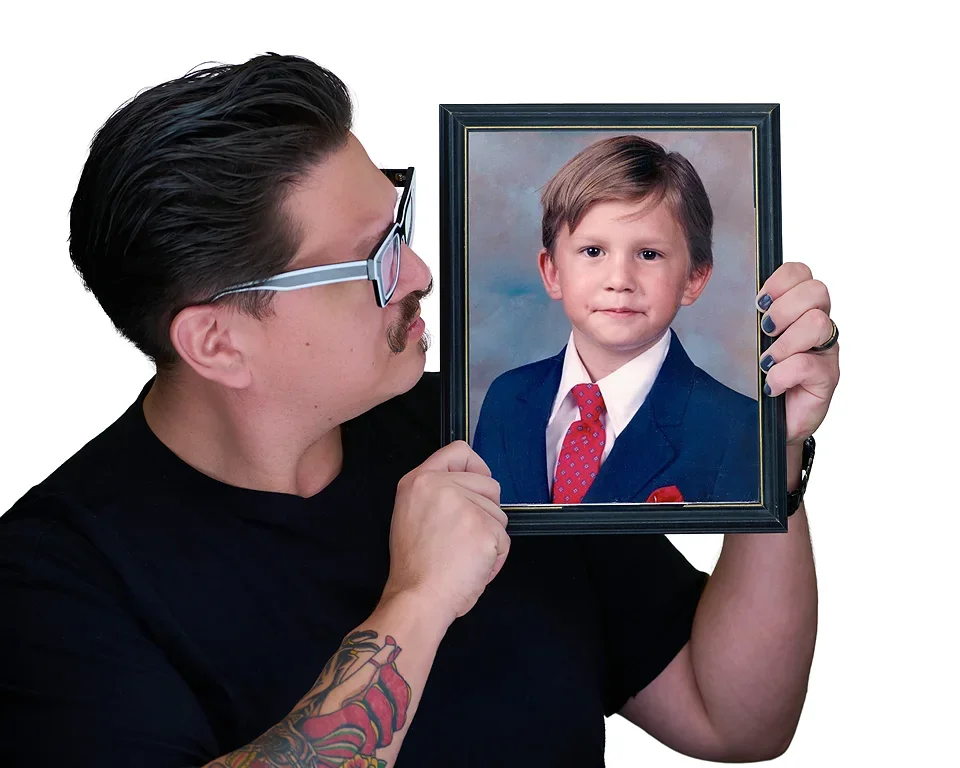
What Happens When Your Headshot Is Outdated
Let's talk about what's actually at stake here, because it goes beyond just having an old photo on your LinkedIn.
When someone encounters your headshot online and then meets you in person, there's a moment of recognition that either happens or doesn't. When it doesn’t, and they have to do a double take or quietly reconcile the discrepancy, it creates what's called a trust gap or catfishing. It's subtle, but it's real. And in professional relationships, trust is everything.
An outdated headshot signals one of a few things, none of them great: that you're not paying attention to your personal brand, that you're not keeping up with the details, or simply that the photo isn't really you anymore. None of those impressions are ones you want to make before you've even said hello.
This matters on LinkedIn, where your headshot is the first thing people see when your profile comes up in a search. It matters on your website, where potential clients are forming an opinion about you before they ever reach out. It matters in speaker bios, press features, and media kits. Every place your headshot lives is a touchpoint, and every outdated touchpoint is a small erosion of the brand you're working hard to build.
Signs Your Current Headshot Needs to Go
Not sure if yours has crossed the line? Here's a quick gut check:
You hesitate before sharing your headshot or linking to your LinkedIn because you know the photo doesn't look like you anymore
The photo is more than two + years old
Your current role, title, or industry is different from what it was when the photo was taken
The photo quality looks dated compared to what you're seeing from peers in your industry (Let’s ditch that 80’s style hard lean into the camera!)
Someone has commented that your photo doesn't look like you (even once)
You feel a disconnect between how you show up in the world now and how you look in that photo
You are using a cropped photo from a wedding, event or worse yet (I’ve seen it more than you’d think) a vacation or fishing trip.
If two or more of those landed, you already know the answer.
How to Get More Mileage Out of Your Headshot
A great headshot session isn't just one photo, it's a library of assets you can use across multiple platforms and contexts. Here's how to maximize what you get out of each session:
Bring multiple looks. Two to three outfit changes during your session gives you variety without overcomplicating things. Different looks can speak to different audiences or serve different purposes, a more formal shot for your LinkedIn and speaker bio, a more relaxed version for your website about page or Instagram.
Think about cropping. A well composed headshot can be cropped different ways for different uses. A tighter crop works great for profile photos. A wider crop with more breathing room works better for website headers and banner images. Talking to your photographer and create a marketing plan about how to use the images before the session helps ensure you get what you need so can maximize your return on this investment.
Update consistently across platforms. Once you have new photos, update everywhere at the same time. LinkedIn, your website, your Google Business profile, your email signature, your social media accounts. Consistency across touch points reinforces your brand. Nothing undermines that consistency like having five different older versions of yourself mixed with new images floating around the internet.
Schedule it before you need it. Don't wait until you're launching something, speaking at an event, or being featured in a publication to realize your headshot is outdated. Build it into your professional calendar so it's already done when the opportunity arrives.
They are Tax deductible. Headshots are apart of your marketing, making them a great tax write off. I usually have a pretty good busy season right before the end of the year because of this. (Be sure to consult your CPA)
Final Thoughts
If you've read this far and you're asking yourself whether it's time to update your headshot, the answer is probably yes.
That's not a sales pitch, it's just the pattern. People who are completely happy with their current headshot usually aren't googling or asking ai how often they should update it.
Your headshot is one of the hardest working pieces of your personal brand. It shows up in places you don't even think about, making impressions you never get to be in the room for. It deserves to be current, intentional, and representative of where you are right now not where you were a few years ago.
When you're ready to update, let's make sure we do it right. Reach out and we'll talk through what you need before you ever step in front of the camera.
Frequently Asked Questions
How much does it cost to update my headshot?
At Pandorica Headshot Studio, individual headshot sessions start at $250 with Executive and Express packages available depending on your needs. Reach out and we'll find the right fit for what you're looking for.
Can I just use a recent photo from my phone?
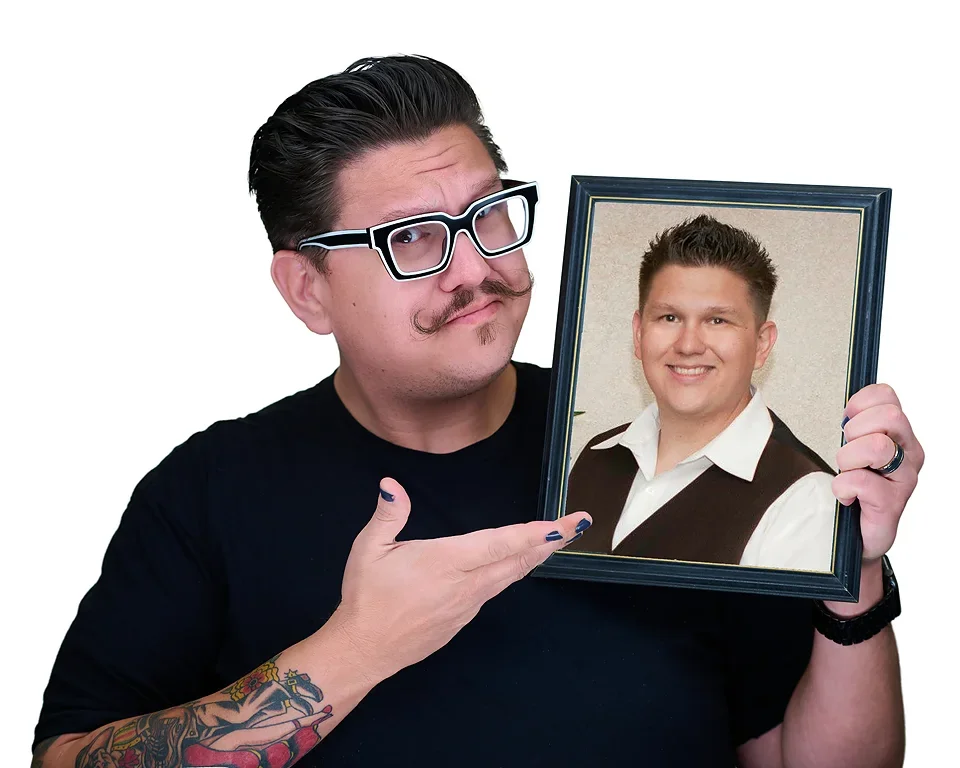
You can, but think about it this way. Regardless of what your resume says or how many years you've been in your field, your headshot is the packaging for you and everything you bring to the table. And just like any product on a shelf, if the packaging isn't visually compelling or speaking to the right audience, it won't get looked at or clicked on.
There's a meaningful difference between a photo taken on a phone and a professionally directed headshot. Lighting, composition, expression coaching, and professional retouching all work together to create an image that actually does its job, representing you at your best and building trust with the people who see it.
What should I do with my old headshots?
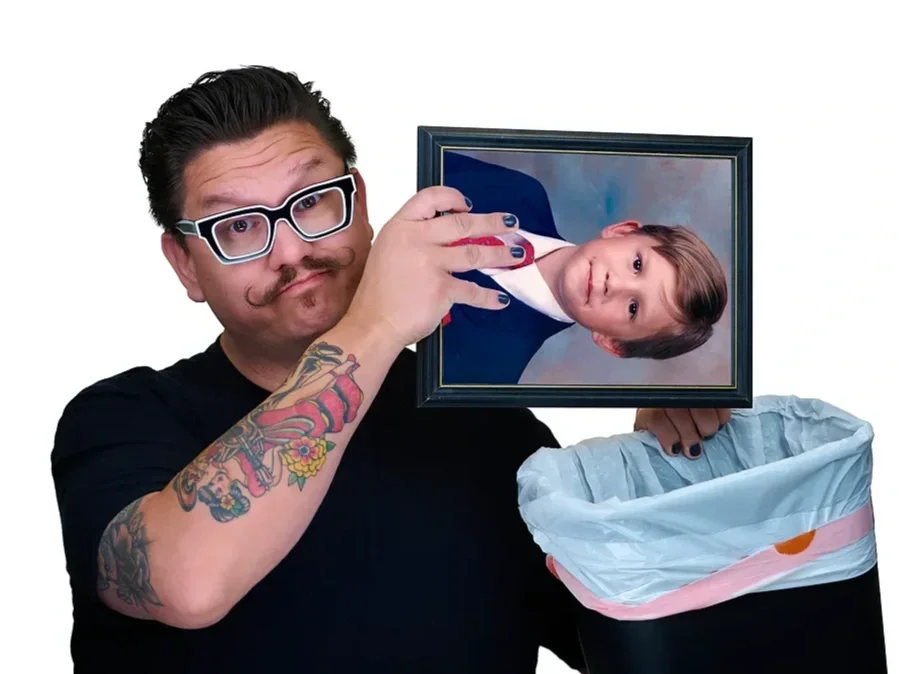
Keep them for yourself as markers of who you used to be but otherwise out ther in the digital space to attract more clients, TOAST THOSE SUCKERS! Once you have new photos, swap them out everywhere. Keeping old headshots in circulation alongside new ones creates inconsistency in your brand and undermines the investment you just made.
How far in advance should I book my headshot session?
As soon as you know you need one. If you have a specific deadline, a speaking engagement, a publication feature, a website launch. Give yourself at least two to three weeks to allow time for the session, editing, and any revisions. Don't wait until the week before.
What if I just need one or two updated shots, not a full session?
That's exactly what the Express package is designed for. It's a focused, efficient session that gets you what you need without the full commitment of a longer shoot.
Reach out and we'll figure out which option makes the most sense for you.