
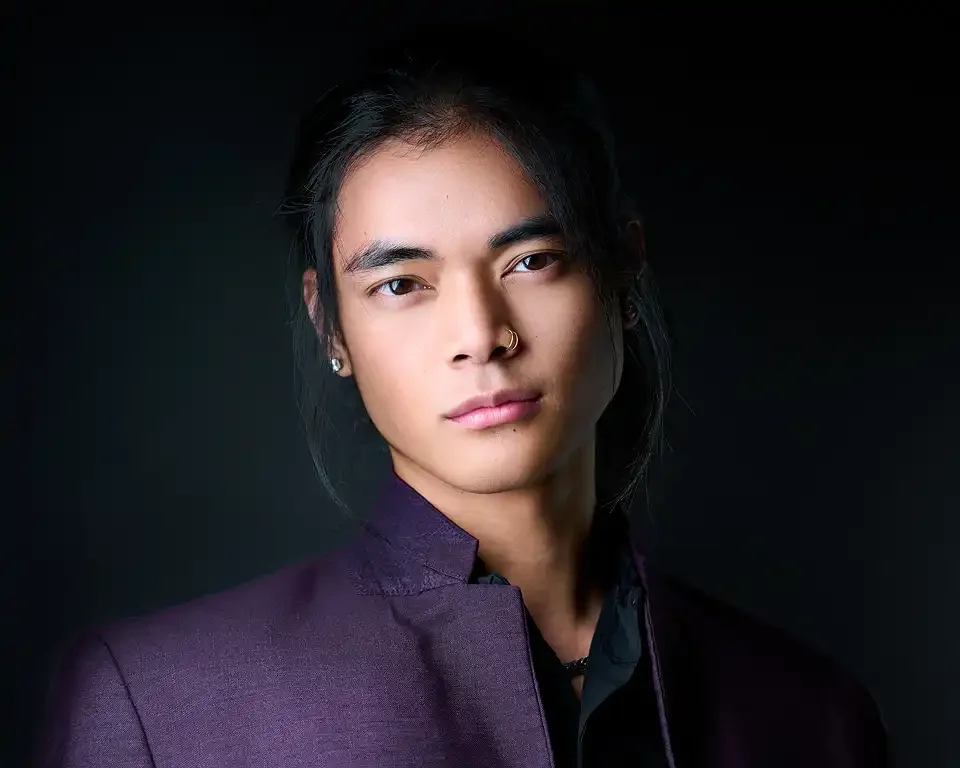
Headshot Photography FAQ
Most people show up to a headshot session with a list of questions they never got around to asking. Below are the ones people are actually asking right now, before, during, and after booking a professional headshot session. If you're still deciding on a photographer, our guide to choosing a headshot photographer covers what to look for.
AI headshot generators have gotten genuinely good at producing something that reads as professional from ten feet away. What they still can't do is capture you specifically, your actual bone structure, the way your face moves when you're genuinely engaged, the specific expression that reads as confident instead of posed. A real session also gives you live coaching in the moment, so if something isn't working, it gets fixed on the spot instead of showing up in fifty generated variations you have to sort through yourself. We go deeper on this in AI headshots vs. a real photographer.
Every two to three years is the general rule, but the better trigger is a real change, a new role, a shift in who you're trying to reach, or a look that no longer matches your current photo. If someone who knows you would look at your headshot and say that doesn't really look like you anymore, that's the actual signal, not the calendar. Full breakdown here: how often to update your headshot.
Flip it around for a second. If you were deciding who to trust with something important, would you feel more confident reaching out to someone who looks put together and intentional, or someone whose profile photo is cropped out of a group shot from a party? Your headshot is doing marketing work for you before anyone reads a word of your bio. That's the return you're actually paying for, not just a nice photo.
Yes, and the data backs it up. LinkedIn's own numbers show profiles with a professional photo get as much as 21 times more profile views than those without one, and posts that include a photo see significantly more engagement. Recruiters, clients, and collaborators are forming an opinion about you before they read a single word, and that opinion is built almost entirely on the photo.
More than people expect. An executive headshot needs to communicate credibility and authority to a professional audience. An actor headshot is a casting tool, it has to communicate type and range so a casting director knows exactly who they're looking at. A personal brand or creator headshot usually needs more personality and versatility since it's showing up across multiple platforms with different tones. The wardrobe, the expression, and the background all shift based on who you're actually trying to reach.
It depends entirely on what you're trying to communicate and who you're trying to reach. A warm, approachable smile works well for client-facing roles. A more grounded, serious expression can read as more authoritative in industries like law or finance. This is exactly what Facial Expression Coaching is built for, pulling the specific expression that matches your goals instead of defaulting to whatever feels natural to hold in front of a camera.
It's not required, but it makes a real difference, especially if you want your headshot to hold up for years. A good studio should have a vanity station on hand for touch ups between looks, but for a full professional application, hiring a makeup artist ahead of time and scheduling them before your session is worth it. One thing to avoid: don't make dramatic changes to your hair or makeup right before a session. A brand new look you've never worn before will show up in the photos and create a disconnect the first time someone meets you in person.
A headshot is one strong image built to do a specific job, usually your face, professionally lit, ready for LinkedIn or a website. A personal branding shoot is broader, multiple looks, environments, and moments that tell a fuller story about you and what you do, built for content and a more complete online presence. Most people start with a headshot and add personal branding images once they know exactly how they want to show up.
Executives get talked about the most, but the list of people who benefit is much longer: actors, entrepreneurs, real estate agents, financial advisors, healthcare providers, consultants, content creators, anyone whose photo shows up somewhere a stranger might form an opinion about them before ever meeting them. If your face represents your work online, a professional headshot is doing marketing for you whether you've thought about it that way or not.